

Can jute tote bags be used for carrying camping gear?
As a supplier of jute tote bags, I've often been asked whether our products are suitable for carrying camping gear. In this blog, I'll delve into the viability of using jute tote bags for this purpose, exploring their characteristics, advantages, and limitations.
Jute is a natural fiber derived from the Corchorus plant. It has been used for centuries in various applications, including making ropes, sacks, and textiles. Jute tote bags have gained popularity in recent years due to their eco - friendly nature, affordability, and rustic charm.
Let's first look at the advantages of using jute tote bags for camping.
1. Environmental Friendliness
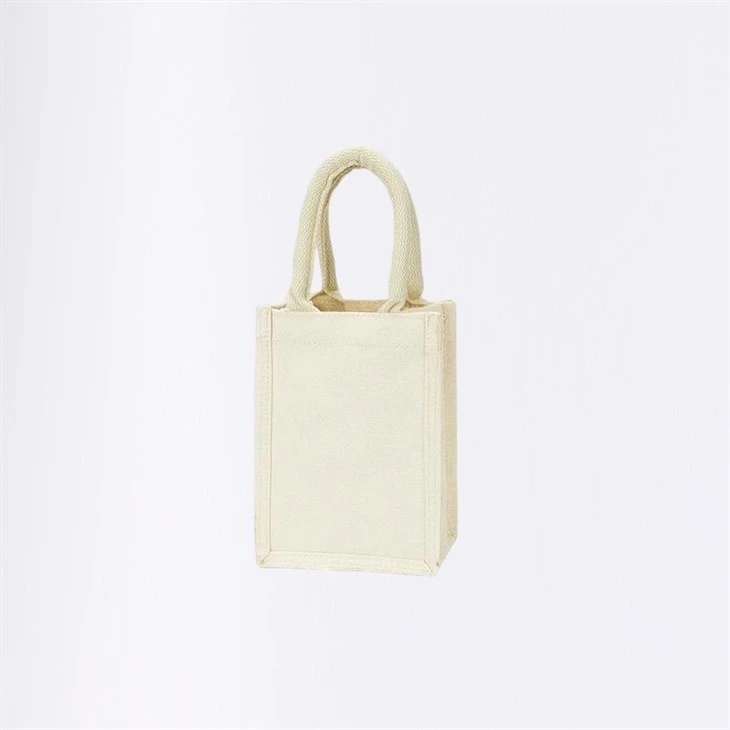
In an era where environmental concerns are at the forefront, jute tote bags are a great choice. Jute is a renewable resource that grows quickly, usually within 4 - 6 months. It requires less water and fewer pesticides compared to other fibers like cotton. When it comes to disposal, jute is biodegradable, which means it will break down naturally over time without leaving harmful residues in the environment. For campers who are conscious about leaving a minimal ecological footprint, using jute tote bags aligns well with their values. You can check out our White Jute Bag which is made from high - quality jute and is an eco - friendly option for your camping needs.

2. Strength and Durability
Jute fibers are known for their strength. Jute tote bags can withstand a certain amount of weight and rough handling. They are woven tightly, which gives them the ability to hold camping essentials such as small cooking utensils, toiletries, and even a few cans of food. The natural texture of jute also provides a good grip, reducing the risk of items slipping out of the bag. For example, if you need to carry a set of lightweight cutlery and a small camping stove, a jute tote bag can handle the load without easily tearing.
3. Breathability
One of the unique features of jute is its breathability. Unlike some synthetic materials, jute allows air to circulate through the bag. This is especially important when carrying camping gear, as it helps prevent the build - up of moisture and odors. For instance, if you place damp towels or wet swimsuits in a jute tote bag, the air can pass through the fibers, allowing the items to dry more quickly. This reduces the chances of mold and mildew growth, which is a common problem in camping gear storage.
4. Aesthetic Appeal
Jute tote bags have a distinct, natural look that adds a touch of charm to your camping experience. Their earthy tones and rustic texture blend well with the outdoor environment. They can also be customized with various prints or embroidery, allowing you to personalize your bag and make it stand out. Whether you're on a solo camping trip or with a group of friends, a stylish jute tote bag can be a conversation starter. You might be interested in our Jute Bag for Shopping, which can also double as a camping bag with its attractive design.
However, it's important to also consider the limitations of using jute tote bags for camping.
1. Water Resistance
Jute is not inherently water - resistant. When exposed to heavy rain or prolonged moisture, jute can become weak and start to rot. If you're camping in an area with unpredictable weather, you need to take extra precautions to protect your jute tote bag and its contents. You can use a waterproof cover or line the inside of the bag with a plastic liner. But this adds an extra step and may not be the most convenient solution.
2. Weight Capacity
While jute tote bags are strong, they do have a limited weight capacity compared to some heavy - duty camping backpacks. If you need to carry large and heavy items such as a tent, sleeping bag, or a full - sized cooler, a jute tote bag may not be the best option. It's more suitable for carrying smaller, lighter items that are part of your camping essentials.
3. Abrasion Resistance
Jute can be prone to abrasion when rubbed against rough surfaces. When you're moving around in the campsite, the bag may come into contact with rocks, branches, or other rough objects. Over time, this can cause the jute fibers to fray and weaken the bag. You may need to be more careful when handling the bag to avoid excessive wear and tear.
Suitable Camping Gear for Jute Tote Bags
Despite the limitations, there are many camping items that can be safely carried in jute tote bags.
- Cooking Utensils: Small pots, pans, spatulas, and forks can be neatly organized in a jute tote bag. The bag's breathability helps keep the utensils dry and free from odors.
- Toiletries: Toothbrushes, toothpaste, soap, and other personal care items can be stored in a jute tote bag. The natural fibers are gentle on these items and won't cause any chemical reactions.
- Small Tools: A multi - tool, a small hammer, or a pair of pliers can be carried in the bag. The strength of the jute can hold these tools securely.
- Snacks and Cans: A few cans of food and some light snacks like granola bars can fit well in a jute tote bag. The bag's natural texture provides a good grip on the cans, preventing them from rolling around.
If you're interested in small - sized jute bags for more specific items, our Small Jute Bags for Gifts can also be used for organizing smaller camping essentials.
In conclusion, jute tote bags can be a viable option for carrying certain types of camping gear, especially for those who prioritize environmental friendliness and a natural aesthetic. While they have some limitations in terms of water resistance, weight capacity, and abrasion resistance, with proper care and consideration, they can serve well on your camping trips.
If you're interested in purchasing jute tote bags for your camping needs or have any questions about our products, we'd love to hear from you. Contact us to start a discussion about your requirements and explore the best jute tote bag options for your next camping adventure.
References
- "The Handbook of Natural Fibers: Volume 1: Types, Properties and Factors Affecting Their Performance" by A. K. Mohanty, M. Misra, and L. T. Drzal
- "Jute: Cultivation, Production, and Utilization" by S. K. Datta and A. K. Ghosh