

Do jute hessian bags have a rough surface? This is a question that many potential buyers of jute hessian bags often ask. As a supplier of jute hessian bags, I'd like to delve into this topic in detail to provide you with a comprehensive understanding.
The Nature of Jute Fiber
Jute is a natural fiber that is derived from the stem of the jute plant. It is known for its strength and durability, which are two of the main reasons why it is so popular for making bags. The structure of jute fiber consists of long, coarse strands that are held together by natural gums and pectins. These fibers have a relatively thick diameter compared to some other natural fibers like cotton or silk.
The natural state of jute fiber gives jute hessian bags their characteristic texture. When you touch a jute hessian bag for the first time, you'll notice that it does indeed have a rough surface. This roughness is a direct result of the coarse nature of the jute fibers. The individual fibers are not as smooth as those in synthetic materials or finer natural fibers. They have small bumps and irregularities along their length, which contribute to the overall rough feel of the bag.
Factors Affecting the Roughness
However, it's important to note that the roughness of jute hessian bags can vary depending on several factors. One of the key factors is the quality of the jute fiber used. Higher - quality jute fibers tend to be more uniform in thickness and have fewer irregularities, resulting in a relatively smoother surface. On the other hand, lower - quality jute fibers may have more knots, twists, and unevenness, making the bag feel rougher.
The manufacturing process also plays a significant role. During the weaving process, the tightness of the weave can affect the surface texture. A tightly woven jute hessian bag may feel slightly smoother because the fibers are more closely packed together, reducing the prominence of the individual fiber irregularities. In contrast, a loosely woven bag will expose more of the individual fibers, leading to a rougher feel.
Another factor is the finishing treatments applied to the bags. Some jute hessian bags are treated with chemicals or natural substances to soften the fibers and reduce the roughness. For example, a light coating of wax or a fabric softener can make the bag feel more comfortable to the touch. However, these treatments may also affect the bag's natural look and environmental friendliness to some extent.
Advantages of the Rough Surface
Despite the perception that a rough surface may be a drawback, there are actually several advantages to having a jute hessian bag with a rough texture. Firstly, the roughness provides excellent grip. This is particularly useful when carrying heavy items. You don't have to worry about the bag slipping out of your hands, even if it's filled with groceries or other bulky objects.
Secondly, the rough surface gives jute hessian bags a rustic and natural appearance. Many consumers are drawn to the natural look of jute products because they offer a unique alternative to mass - produced synthetic bags. The rough texture adds to the bag's charm and character, making it a popular choice for those who appreciate handmade or artisanal items.
In addition, the rough surface can also enhance the bag's durability. The coarse fibers are more resistant to abrasion and tearing compared to smoother - surfaced materials. This means that jute hessian bags can withstand more wear and tear, making them a long - lasting option for everyday use.
Types of Jute Hessian Bags and Their Surfaces
There are various types of jute hessian bags available in the market, each with its own unique surface characteristics. For example, Painted Jute Bags often have a slightly different feel. The paint can add a layer on top of the jute fibers, which may either smooth out the surface slightly or create a new texture depending on the type of paint used. Some painted jute bags may have a glossy finish, which can change the tactile experience while still maintaining the underlying jute texture.
Jute Tote Bags are another popular option. These bags are usually larger and more spacious, and their surface roughness can vary depending on the quality of jute and the weaving style. A well - made jute tote bag may have a slightly smoother surface around the handles for better comfort, while the rest of the bag retains the characteristic jute roughness.
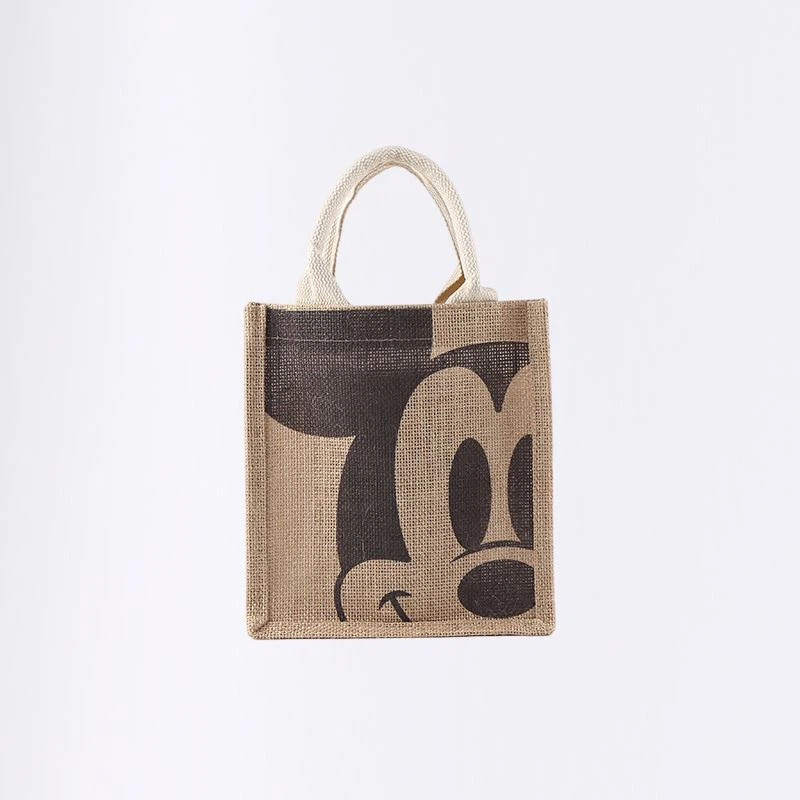

Jute Bag for Shopping are designed for practicality. They are often made from medium - to high - quality jute to ensure a good balance between durability and comfort. The roughness of these bags provides a good grip when carrying multiple shopping items, and they can withstand the rigors of daily shopping trips.
Conclusion
In conclusion, jute hessian bags generally have a rough surface due to the nature of the jute fiber and the manufacturing process. However, the degree of roughness can vary depending on factors such as fiber quality, weaving tightness, and finishing treatments. While the rough surface may not be to everyone's taste, it offers several advantages including good grip, a rustic appearance, and enhanced durability.
If you're considering purchasing jute hessian bags for your business or personal use, I encourage you to explore the different types and qualities available. You can feel the texture for yourself and decide which bag best suits your needs. Whether you're looking for a simple shopping bag or a stylish painted jute bag, there's a jute hessian bag out there for you.
If you're interested in discussing potential purchases or have any questions about our jute hessian bags, please don't hesitate to contact us. We're always happy to help you find the perfect jute bags for your requirements.
References
- Smith, J. (2018). Natural Fibers: Properties and Applications. Journal of Textile Science, 25(3), 45 - 52.
- Brown, A. (2019). The Manufacturing Process of Jute Products. Industrial Manufacturing Review, 12(2), 67 - 73.
- Green, M. (2020). Consumer Preferences for Natural Fiber Bags. Marketing Insights Journal, 30(1), 89 - 98.