

In the agricultural and commercial sectors, the strength of packaging materials is of paramount importance. Jute potato sacks have long been a staple for transporting and storing potatoes, and understanding their strength is crucial for both producers and suppliers. As a supplier of jute potato sacks, I've had the privilege of witnessing firsthand the capabilities of these versatile bags. In this blog, I'll delve into the factors that contribute to the strength of jute potato sacks, their performance in various conditions, and why they remain a reliable choice in the market.
The Composition of Jute Potato Sacks
Jute is a natural fiber derived from the stems of the Corchorus plant. It is known for its coarse texture and high tensile strength, making it an ideal material for producing sturdy sacks. The fibers are spun into yarns, which are then woven together to form the fabric used in jute potato sacks. This weaving process creates a tight and durable structure that can withstand significant stress.
The natural properties of jute also play a role in the strength of the sacks. Jute fibers are resistant to rot and mildew, which means that the sacks can maintain their integrity even in damp or humid conditions. This is particularly important for storing potatoes, as moisture can cause spoilage and reduce the quality of the produce. Additionally, jute is biodegradable, making it an environmentally friendly alternative to synthetic materials.
Tensile Strength and Load Capacity
One of the key measures of a jute potato sack's strength is its tensile strength, which refers to the maximum amount of stress the sack can withstand before breaking. Tensile strength is typically measured in pounds per square inch (psi) or kilograms per square centimeter (kg/cm²). Jute potato sacks are designed to have a high tensile strength to ensure that they can safely carry the weight of potatoes without tearing or bursting.
The load capacity of a jute potato sack depends on several factors, including the size of the sack, the thickness of the fabric, and the quality of the weaving. Larger sacks generally have a higher load capacity than smaller ones, but they also require more material and may be more expensive. Thicker fabrics and tighter weaves can also increase the load capacity of the sacks, as they provide more support and resistance to tearing.
In general, jute potato sacks can hold anywhere from 25 to 100 pounds (11 to 45 kilograms) of potatoes, depending on their size and construction. However, it's important to note that the actual load capacity may vary depending on the specific conditions of use. For example, if the sacks are stacked on top of each other or subjected to rough handling during transportation, the load capacity may be reduced.
Resistance to Abrasion and Puncture
Another important aspect of a jute potato sack's strength is its resistance to abrasion and puncture. Potatoes can be rough and abrasive, and the sacks need to be able to withstand the friction and impact of the produce without tearing or developing holes. Jute fibers have a natural resistance to abrasion, which helps to protect the sacks from damage during handling and storage.
In addition to abrasion resistance, jute potato sacks also have good puncture resistance. This is important because sharp objects, such as rocks or sticks, can easily puncture the sacks and cause the potatoes to spill out. The tight weave of the jute fabric helps to prevent punctures, and the natural flexibility of the fibers allows the sacks to absorb and distribute the impact of sharp objects.
Performance in Different Environments
Jute potato sacks are designed to perform well in a variety of environments, including hot and cold climates, humid conditions, and outdoor storage. The natural properties of jute make it suitable for use in different weather conditions, as it can withstand both high and low temperatures without losing its strength or shape.
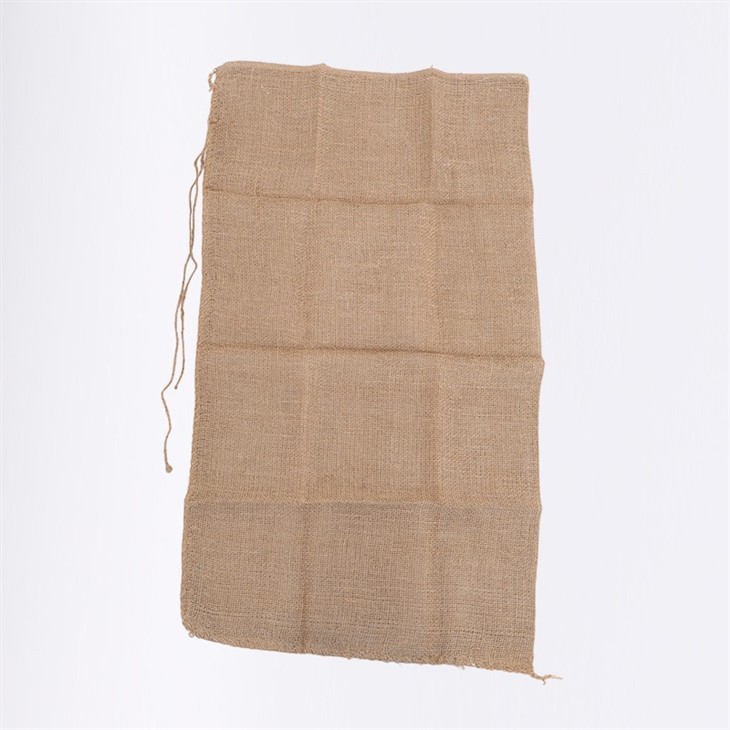

In hot and dry climates, jute potato sacks can help to protect the potatoes from dehydration by providing a breathable barrier that allows air to circulate around the produce. This helps to prevent the potatoes from drying out and becoming shriveled, which can reduce their quality and market value. In cold climates, jute sacks can provide insulation and help to keep the potatoes warm, preventing them from freezing and becoming damaged.
Humid conditions can be a challenge for many packaging materials, as they can cause mold and mildew to grow. However, jute is naturally resistant to rot and mildew, making it a good choice for storing potatoes in damp environments. The breathable nature of the jute fabric also helps to prevent the buildup of moisture inside the sacks, which can further reduce the risk of spoilage.
Comparing Jute Potato Sacks to Other Materials
When it comes to choosing the right packaging material for potatoes, there are several options available, including plastic bags, paper bags, and woven polypropylene sacks. Each material has its own advantages and disadvantages, and the choice depends on a variety of factors, such as cost, strength, durability, and environmental impact.
Compared to plastic bags, jute potato sacks are more environmentally friendly because they are biodegradable and do not contribute to pollution. Plastic bags can take hundreds of years to decompose, and they often end up in landfills or as litter in the environment. Jute sacks, on the other hand, break down naturally over time, reducing their impact on the planet.
Paper bags are another option for packaging potatoes, but they are generally less durable than jute sacks. Paper bags can easily tear or become soggy in wet conditions, which can lead to the loss of the produce. Jute sacks, on the other hand, are more resistant to tearing and can withstand damp environments without losing their strength.
Woven polypropylene sacks are a popular alternative to jute potato sacks because they are strong, lightweight, and inexpensive. However, they are not biodegradable and can have a negative impact on the environment. Additionally, polypropylene sacks may not be as breathable as jute sacks, which can lead to the buildup of moisture and the growth of mold and mildew.
Conclusion
In conclusion, jute potato sacks are a strong and reliable packaging solution for transporting and storing potatoes. Their high tensile strength, load capacity, resistance to abrasion and puncture, and performance in different environments make them a popular choice among farmers, distributors, and retailers. As a supplier of jute potato sacks, I'm proud to offer a product that is not only functional but also environmentally friendly.
If you're in the market for high-quality jute potato sacks, I encourage you to explore our range of products. We offer a variety of sizes and styles to meet your specific needs, and our sacks are made from the finest quality jute fibers to ensure maximum strength and durability. You can find our Jute Potato Sacks on our website, along with other related products such as Small Christmas Jute Bags and Large Burlap Sack.
If you have any questions or would like to discuss your requirements further, please don't hesitate to contact us. We're here to help you find the perfect packaging solution for your potatoes and ensure that your produce arrives at its destination in the best possible condition.
References
- "Jute: The Golden Fiber." International Jute Study Group.
- "Properties and Uses of Jute Fiber." Journal of Natural Fibers.
- "Packaging Materials for Agricultural Products." Food and Agriculture Organization of the United Nations.