

Hey there! I'm a supplier of jute sacks, and I know how frustrating it can be when these sacks start to fray. Fraying not only makes the sacks look shabby but also reduces their durability and functionality. In this blog, I'll share some practical tips on how to prevent jute sacks from fraying, so you can get the most out of your purchases.
Understanding Jute and Fraying
First things first, let's talk a bit about jute. Jute is a natural fiber that's strong and eco - friendly, which is why it's so popular for making sacks. However, it's also prone to fraying because of its fibrous nature. Fraying usually happens when the fibers at the edges of the sack start to come loose. This can be caused by a number of factors, like rough handling, friction against other surfaces, or exposure to harsh environmental conditions.
Proper Storage
One of the easiest ways to prevent fraying is to store your jute sacks properly. When you're not using them, make sure to keep them in a dry and clean place. Moisture can weaken the jute fibers, making them more likely to fray. Avoid storing the sacks in damp basements or areas where they can get wet.
Also, try to stack the sacks neatly. If they're piled up haphazardly, the edges can rub against each other, causing fraying. You can use pallets to stack the sacks, which will keep them off the ground and reduce the risk of damage.
Handling with Care
How you handle jute sacks matters a lot. When you're loading or unloading the sacks, use gentle methods. Avoid dragging them across rough surfaces, as this can cause the fibers to break and fray. Instead, lift them carefully or use a forklift if you're dealing with a large number of sacks.
If you need to move the sacks around, make sure to hold them by the center or the stronger parts, rather than grabbing them by the edges. This will reduce the stress on the edges and prevent fraying.
Edge Treatments
There are several edge treatments you can apply to prevent fraying. One common method is to use a hot knife or a soldering iron to seal the edges. When you cut the jute, quickly pass the hot tool along the cut edge. The heat will melt the fibers slightly, fusing them together and preventing them from fraying. Just be careful when using this method, as it can be dangerous if not done correctly.
Another option is to sew the edges. You can use a heavy - duty thread and a sewing machine or sew by hand. A simple over - lock stitch can work wonders in keeping the edges intact. If you're sewing by hand, make sure to take small, tight stitches for maximum effectiveness.
Reinforcement
Adding reinforcement to your jute sacks can significantly reduce the risk of fraying. You can use patches made of the same jute material or a stronger fabric. Place the patches at the corners and along the edges where fraying is most likely to occur. Then, sew the patches in place securely.
For heavy - duty applications, you can also consider adding metal or plastic reinforcements. For example, you can attach metal grommets at the corners. These grommets not only prevent fraying but also make it easier to handle the sacks, especially when you're using ropes or hooks to lift them.
Protective Coatings
Applying a protective coating to the jute sacks can also help prevent fraying. There are various coatings available in the market, such as wax - based or resin - based coatings. These coatings create a barrier on the surface of the jute, making the fibers more resistant to abrasion and damage.
Before applying the coating, make sure the sacks are clean and dry. Follow the manufacturer's instructions carefully when applying the coating. You may need to use a brush or a sprayer to apply it evenly.
Choosing the Right Jute Sacks
When you're buying jute sacks, it's important to choose high - quality ones. Look for sacks that are made from thick and tightly woven jute fibers. Thicker fibers are generally more resistant to fraying.

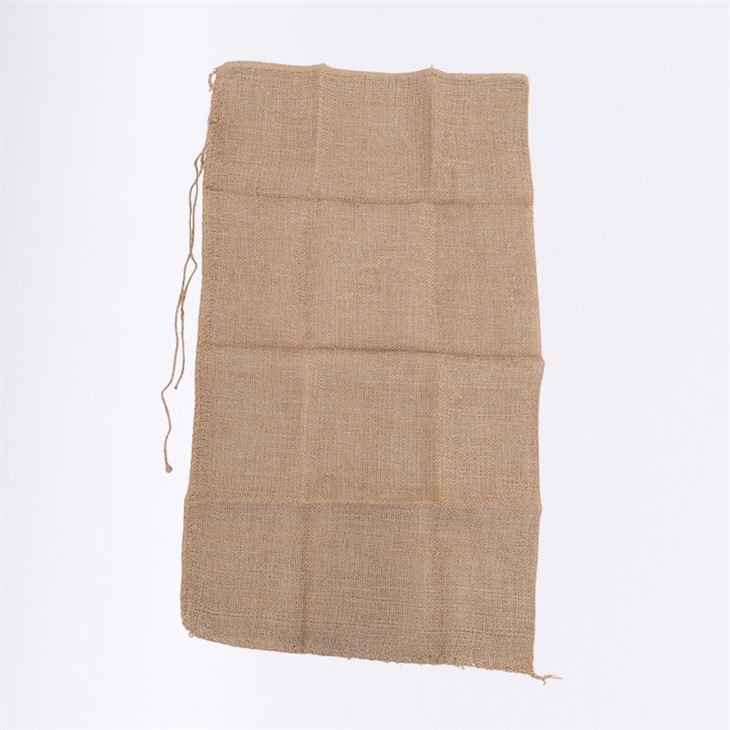
We at [your non - mentioned but real context supplier situation] offer a wide range of high - quality jute sacks. For example, our Jute Potato Sacks are made from top - grade jute and are designed to withstand heavy use. Our 44inchx29.5inch 100kgs Heavy Duty Jute Sack For Coffee is another great option for those who need a strong and durable sack. And if you're looking for a large - sized sack, our Large Burlap Sack is perfect.
Regular Inspections
Make it a habit to inspect your jute sacks regularly. Check for any signs of fraying or damage, such as loose fibers or small holes. If you catch fraying early, you can take steps to repair it before it gets worse.
You can use a simple visual inspection or run your hand along the edges of the sacks to feel for any rough or frayed areas. If you find any issues, use the methods mentioned above, like edge treatments or reinforcement, to fix them.
Conclusion
Preventing jute sacks from fraying is all about a combination of proper handling, storage, and maintenance. By following these tips, you can extend the lifespan of your jute sacks and keep them in good condition.
If you're interested in purchasing high - quality jute sacks or have any questions about preventing fraying, don't hesitate to reach out. We're here to help you make the most of your jute sack purchases. Contact us for more information and let's start a great business relationship!
References
- Jute Industry Handbook: A comprehensive guide on jute production, properties, and applications.
- Textile Research Journal: Articles on the durability and maintenance of natural fiber textiles, including jute.